Engineering and resources

Turn scarcity into a solvable problem

Salvage, fabricate, manufacture, convert and maintain. Find legitimate ways around shortages without making finite resources meaningless.

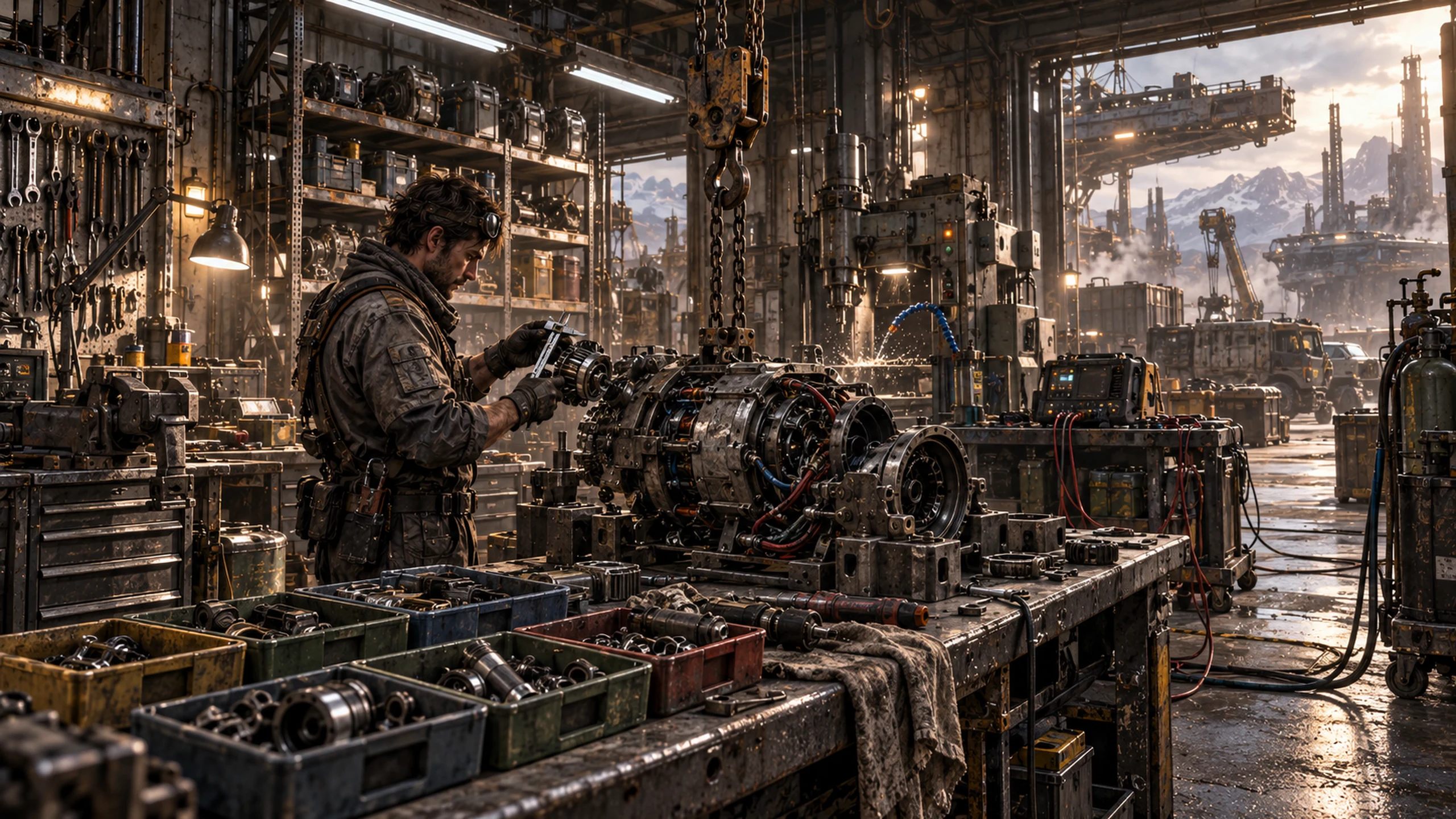
An engineer rebuilds a damaged power unit in a tool-filled workshop.

What this means for your play

Choices with practical meaning.

Materials, fuel, components and equipment have real quantities. Engineering gives you more ways to work within those limits. A solution can consume another resource, create waste, need a revised blueprint or take specialist time.

Build alternatives instead of free replacements

A shortage can lead to salvage, recycling, fabrication, conversion, substitution or a different resource chain. You might revise a blueprint or procure materials elsewhere. Each route has requirements and costs, so solving scarcity becomes meaningful play rather than asking the narrator to replenish a supply.

Keep an operation working

Equipment and facilities do not stay perfect forever. Maintenance and calibration have intervals, and delays elsewhere can push machinery beyond them. Servicing becomes part of readiness. What you have built gives you options, but it also becomes something you need to support.

In depth

How it works.

Follow the part that interests you. These systems continue to matter as your character and operation grow.

If there are 20, there are 20.

CYBERTECH uses genuine scarcity. Resources do not exist simply because the player needs them. Materials, components, fuel, equipment, specialist stock and other important resources can be finite.

  • They can be consumed.
  • They can be lost.
  • They can be destroyed.
  • They can be salvaged.
  • They can be manufactured.
  • They can be converted.
  • They can be imported.
  • They can run out.

A failed operation today can create a material shortage much later in the campaign. That shortage can become a new problem the player must solve. CYBERTECH does not quietly replace what was lost.

Scarcity creates problems. Engineering creates options.

A missing resource does not always mean the campaign stops. CYBERTECH gives the player systems for solving problems legitimately.

  • A material shortage might be solved through:
  • Salvage.
  • Fabrication.
  • Manufacturing.
  • Substitution.
  • Blueprint revision.
  • Conversion.
  • Premium import.
  • External procurement.
  • Recycling.
  • A different resource chain.
  • But every solution has a cost.

If one material is manufactured from another, the original resource is genuinely consumed.

  • Production can take time.
  • Waste can be created.
  • A different blueprint may be required.
  • A specialist may be required.
  • A workshop may be required.

The player gains more ways to solve scarcity as the campaign progresses, but scarcity itself never becomes meaningless.

Machines do not remain perfect forever.

Equipment and facilities can require real upkeep. If lost time pushes machinery beyond its calibration or maintenance interval, somebody has to service it. The game does not silently reset the clock. This means time pressure can create consequences in systems that may appear unrelated to the original delay.

A concrete example

A replacement consumes something else

You can manufacture a missing material from another stock you hold. The original stock is genuinely consumed, production takes time and waste may be created. A workshop, specialist or revised blueprint may be necessary. The replacement solves one need while changing the resources available for the next.

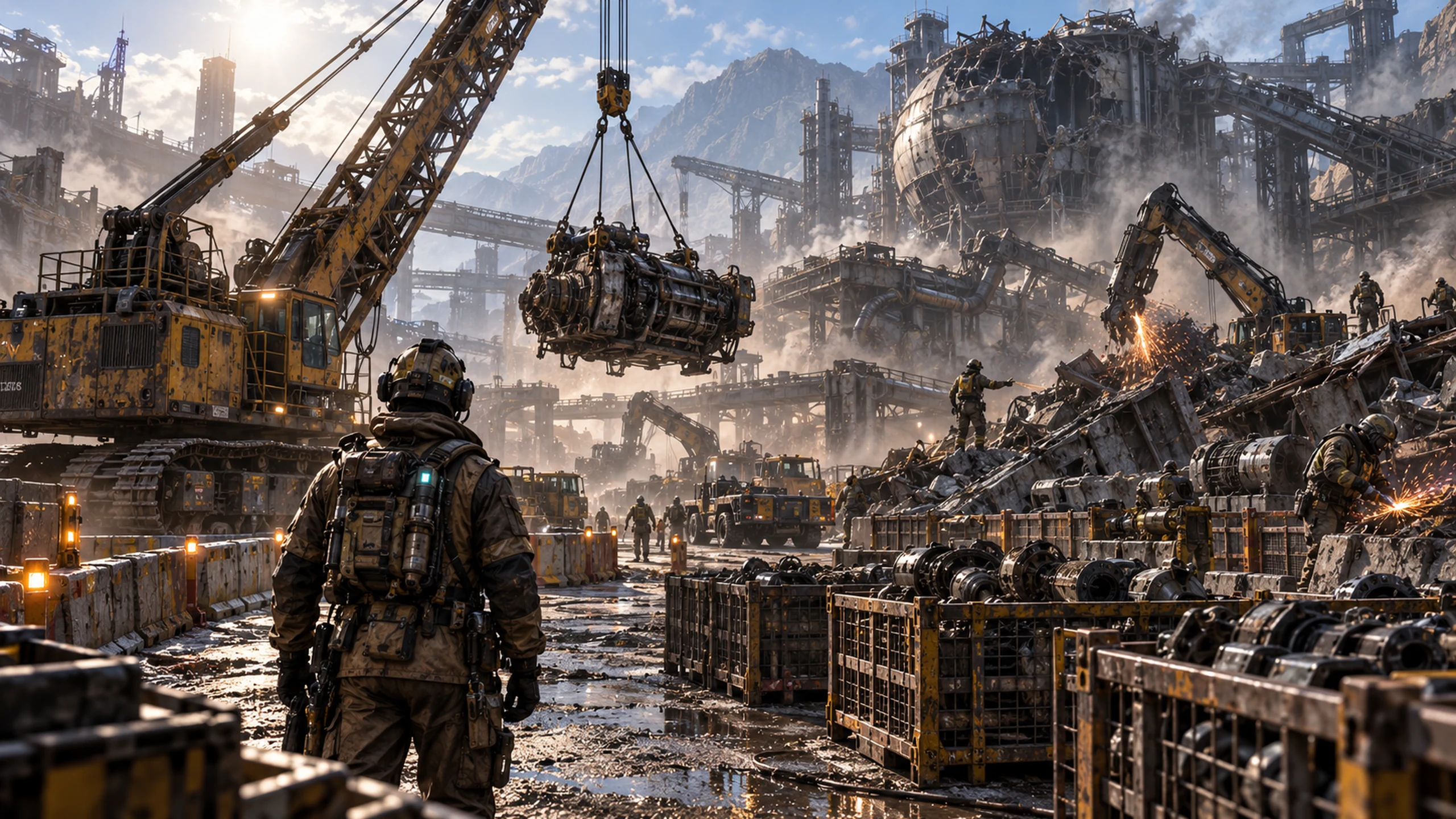
A recovery crew extracts machinery from a collapsed industrial site.
Cybertech scene illustration: A recovery crew extracts machinery from a collapsed industrial site.
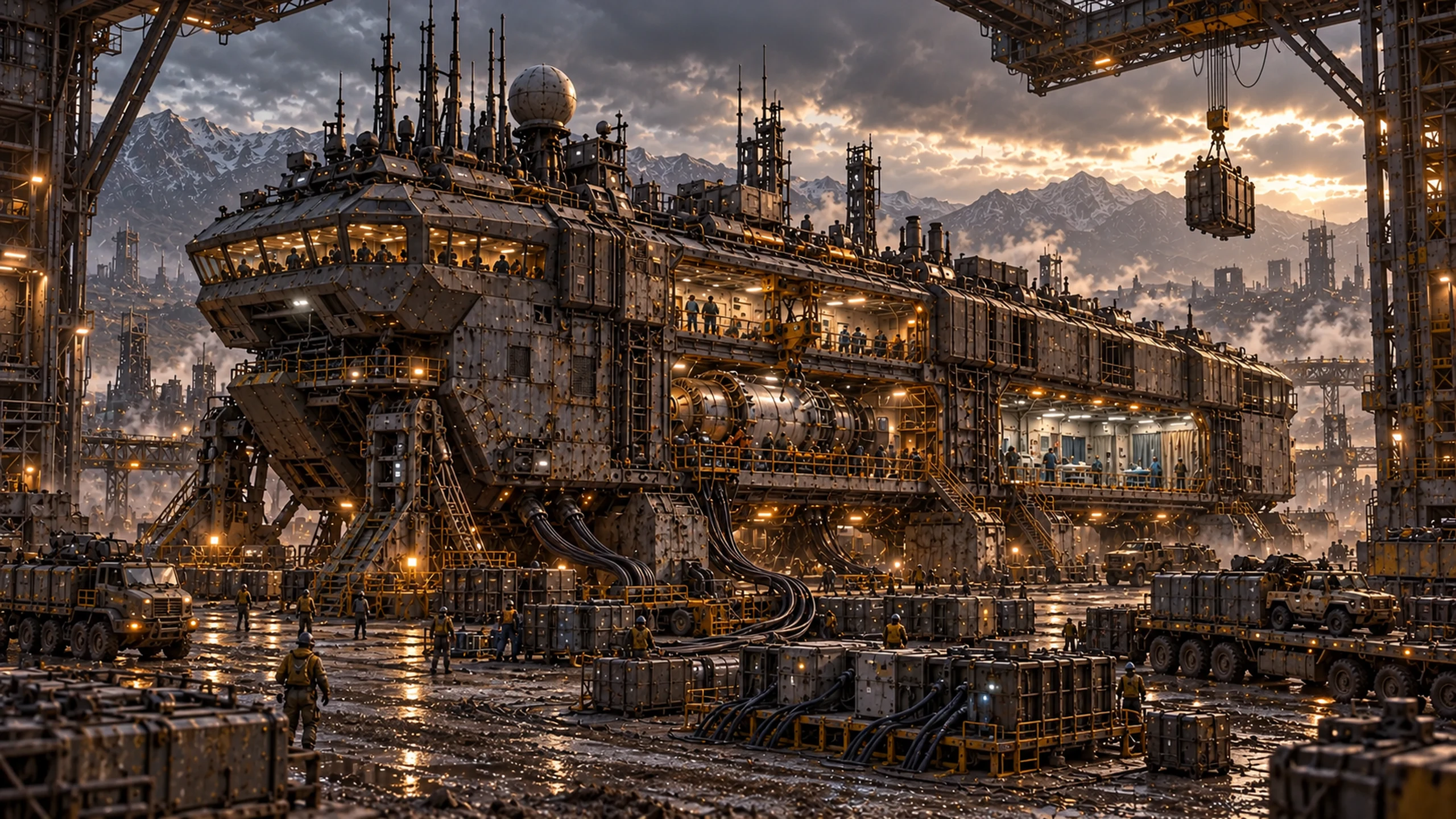
An expanded Command Carrier receives new modules in a vast service dock.

Continue in VISINVOKE

One character.
A world of possibilities.

Create a free VISINVOKE account. Review CYBERTECH access in your account and begin your own continuing science-fiction journey.

Create a free VISINVOKE account