NPCs, knowledge and investigation

Discover what is true, not just what is said

Work with autonomous people, separate evidence from suspicion and carry unresolved discoveries forward. Knowledge is part of the world.

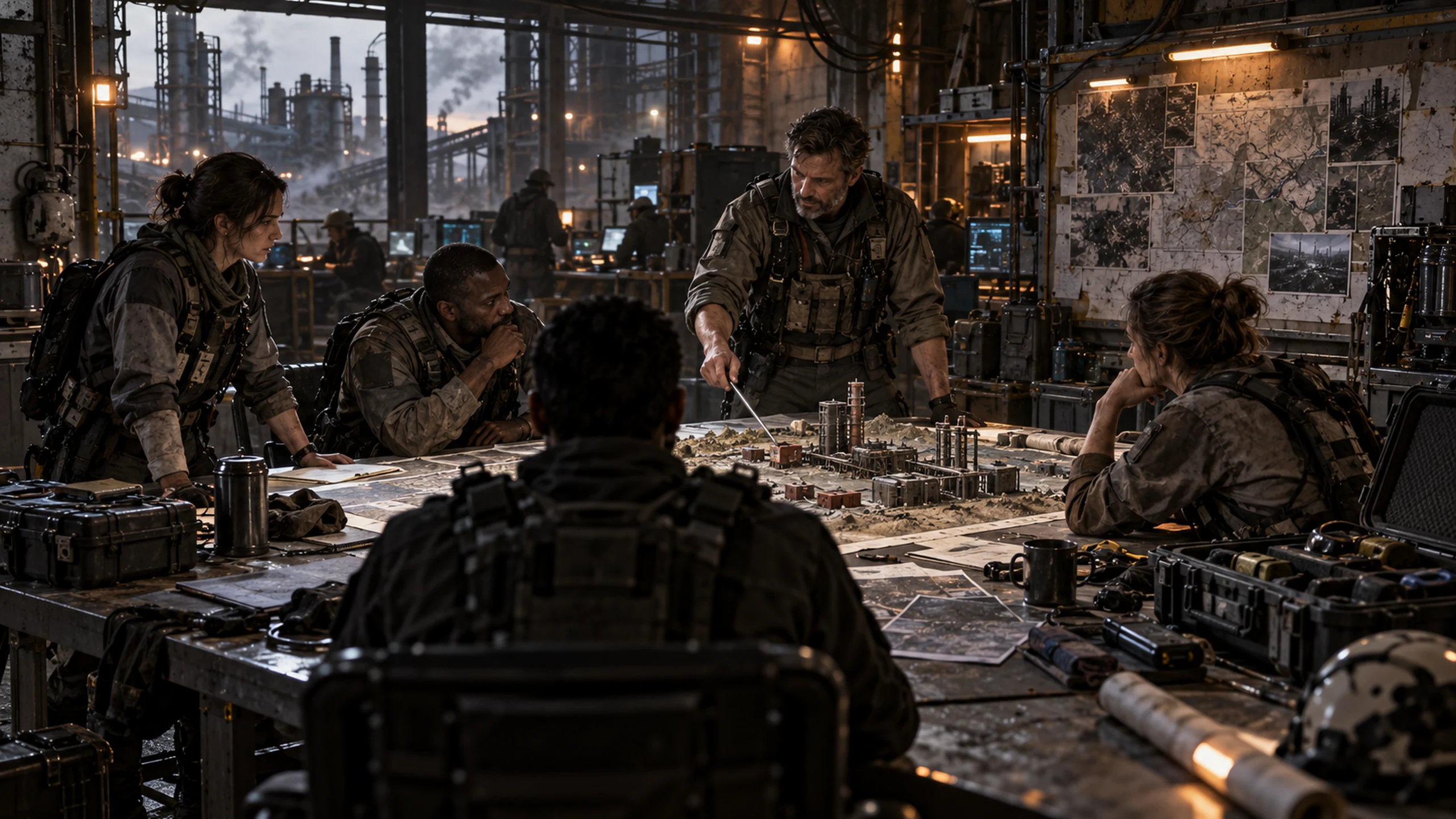
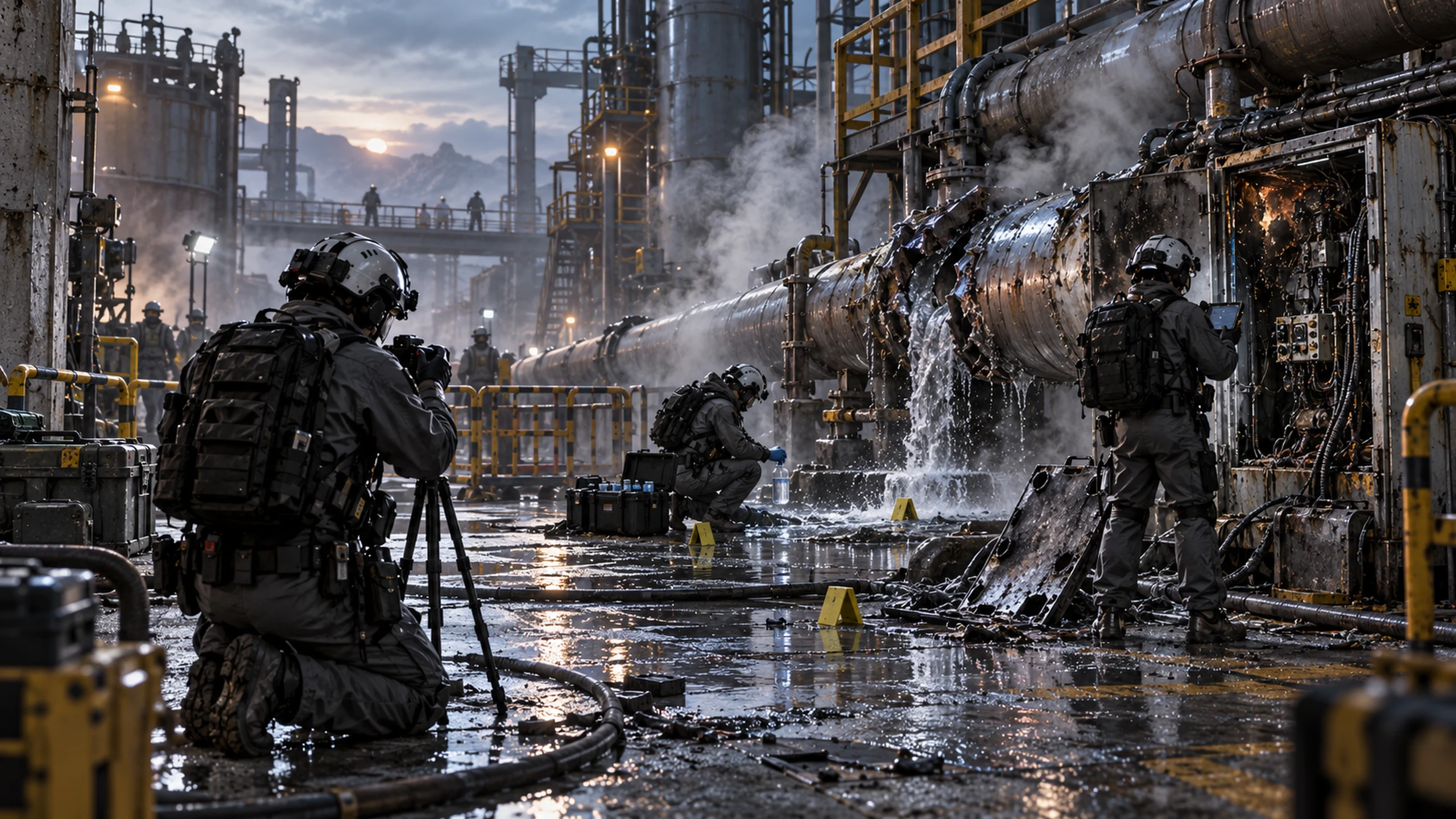
Investigators document damage and recover evidence at a pump station.

What this means for your play

Choices with practical meaning.

Game truth, player knowledge and NPC knowledge are different things. Someone can know a fact you have not discovered, or remain unaware of something recorded elsewhere. Investigation gives uncertainty a real place in the campaign.

Meet people with their own knowledge

Allies, contacts, specialists and rivals are not extensions of your character. Their experiences, relationships and behaviour belong to them. The game distinguishes what a person knows from what is objectively true, so a conversation does not automatically expose everything held in world state.

Let an inconclusive result stay inconclusive

A scan can fail to establish a fact. A hypothesis can remain unverified, and an investigation can leave knowledge unresolved. Later decisions work with the evidence you actually obtained. Progress does not require the narrator to promote a suspicion into a proven discovery.

In depth

How it works.

Follow the part that interests you. These systems continue to matter as your character and operation grow.

NPCs know what they know, not what the narrator knows.

  • CYBERTECH's NPCs are autonomous.
  • The player controls one persistent character.
  • NPCs are not extensions of the player's character.

Their knowledge, relationships, experiences and behaviour belong to them.

  • The game can distinguish between:
  • What is objectively true.
  • What the player knows.
  • What an NPC knows.
  • What an NPC does not know.
  • What is verified.
  • What is suspected.
  • What remains unresolved.

An NPC does not automatically know something because it exists somewhere in the game's database. Knowledge itself is part of the world.

Uncertainty can remain uncertainty.

  • Not every investigation succeeds.
  • A scan can remain inconclusive.
  • A hypothesis can remain unverified.
  • A discovery can remain unknown.

A failed investigation does not have to become success simply because the campaign continues. CYBERTECH can carry unresolved knowledge forward. Later missions and decisions can react to what was actually discovered, not what the campaign designer hoped would be discovered.

The world can know things you do not.

CYBERTECH separates game truth from player truth. Something may exist without the player knowing it exists. An NPC may know something the player does not. The player may believe something that remains unverified. An investigation may only produce provisional information. That creates genuine uncertainty without asking AI to pretend it forgot information. The underlying game state controls who legitimately knows what.

A concrete example

The monitoring never happened

An earlier operation failed to collect a week of monitoring. A later investigation cannot use that missing data as though it existed. You must work with what was recorded, seek a legitimate new source or accept that a question remains unresolved. The absence of evidence has become a lasting consequence.

A contact passes sealed evidence across a table above a transit platform.
Cybertech scene illustration: A contact passes sealed evidence across a table above a transit platform.
An expanded Command Carrier receives new modules in a vast service dock.

Continue in VISINVOKE

One character.
A world of possibilities.

Create a free VISINVOKE account. Review CYBERTECH access in your account and begin your own continuing science-fiction journey.

Create a free VISINVOKE account