Travel, vehicles and time

Getting there is part of the game

Plan routes, fuel, cargo, craft and time. Land, water and flight capability change where you can operate and what you can bring back.

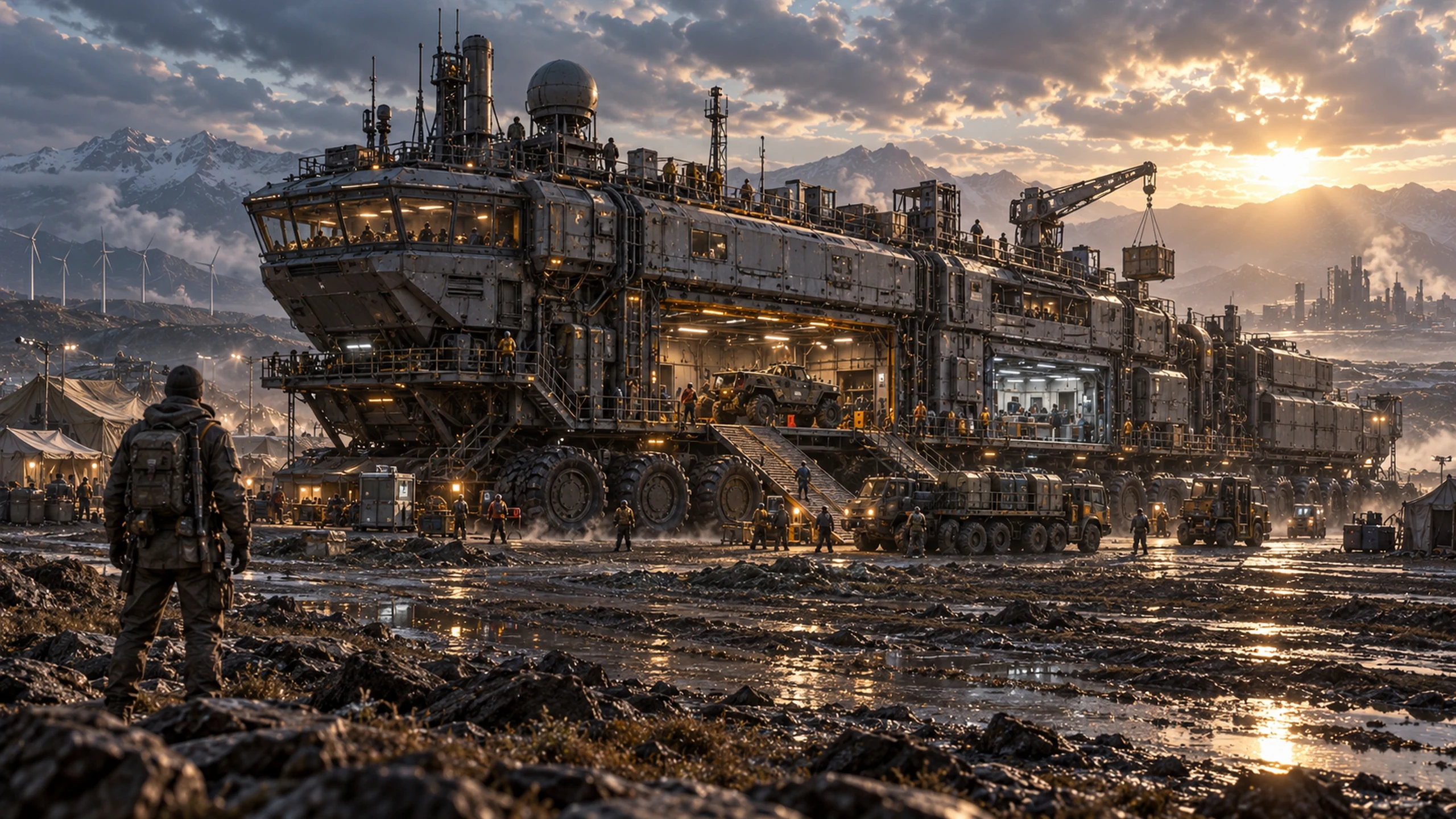
A rugged vehicle crosses a vast salt basin beneath approaching storms.

What this means for your play

Choices with practical meaning.

A component can exist without being in your possession. Reaching its location, transporting it and getting the right person to work on it can create a whole objective of your own, alongside the authored campaign.

Choose a route you can actually support

Distance, fuel, transport capacity, money, access and suitable craft all shape the journey. Your Carrier may reach some locations while a supported vehicle is needed for others. A supply trip can also need a specialist at the destination, making logistics a connected decision rather than a travel button.

Spend time deliberately

Travel, training, paid shifts, imports, recovery and specialist work all consume world time. Waiting can change your options. A deadline can pass or maintenance become due while you solve a different problem. Planning means considering what the delay will do elsewhere in your operation.


In depth

How it works.

Follow the part that interests you. These systems continue to matter as your character and operation grow.

Getting there is part of the game.

A part can exist. That does not mean you possess it. If what you need is at another location, you may have to physically solve the problem of reaching it.

  • Fuel.
  • Distance.
  • Vehicle choice.
  • Transport capacity.
  • Carrier capability.
  • Money.
  • Time.
  • Access.
  • Specialist availability.
  • All can become part of the decision.

A simple need can become an entire piece of unscripted gameplay.

Time is a resource too.

  • World time matters.
  • Travel takes time.
  • Specialist work takes time.
  • Imports take time.
  • Paid shifts take time.
  • Training takes time.
  • Recovery takes time.
  • Waiting can matter.
  • Deadlines can pass.
  • Maintenance intervals can expire.

A system that was properly calibrated earlier may require servicing later because enough time has passed. CYBERTECH remembers that.

A structured campaign without putting you on rails.

CYBERTECH has a major 100-mission authored campaign, but those missions are the spine of the game, not the limit of what you can do. You can make your own decisions around them. A mission may tell you what problem exists. It does not have to dictate every step of the solution. You may need a particular component. That component may exist somewhere else. Now you have to decide how to get there.

  • Do you have enough fuel?
  • What vehicle is suitable?
  • Can your Carrier reach the location?
  • Can you afford the item?
  • Does the settlement actually stock it?
  • Do you need to salvage it instead?

Does it require a specialist after you obtain it?

  • Can you afford that specialist?
  • Do you have the correct facility?
  • Do you need to build one?
  • The need itself can create gameplay.
  • The game establishes reality.
  • You decide how to operate inside it.

A concrete example

A missing part creates your own objective

A mission requires a component stocked in another settlement. You must choose suitable transport, obtain fuel, budget for the item and check whether the work needs a specialist or facility. You may buy it, salvage a substitute or build a different solution. The game sets the constraints; the approach is yours.

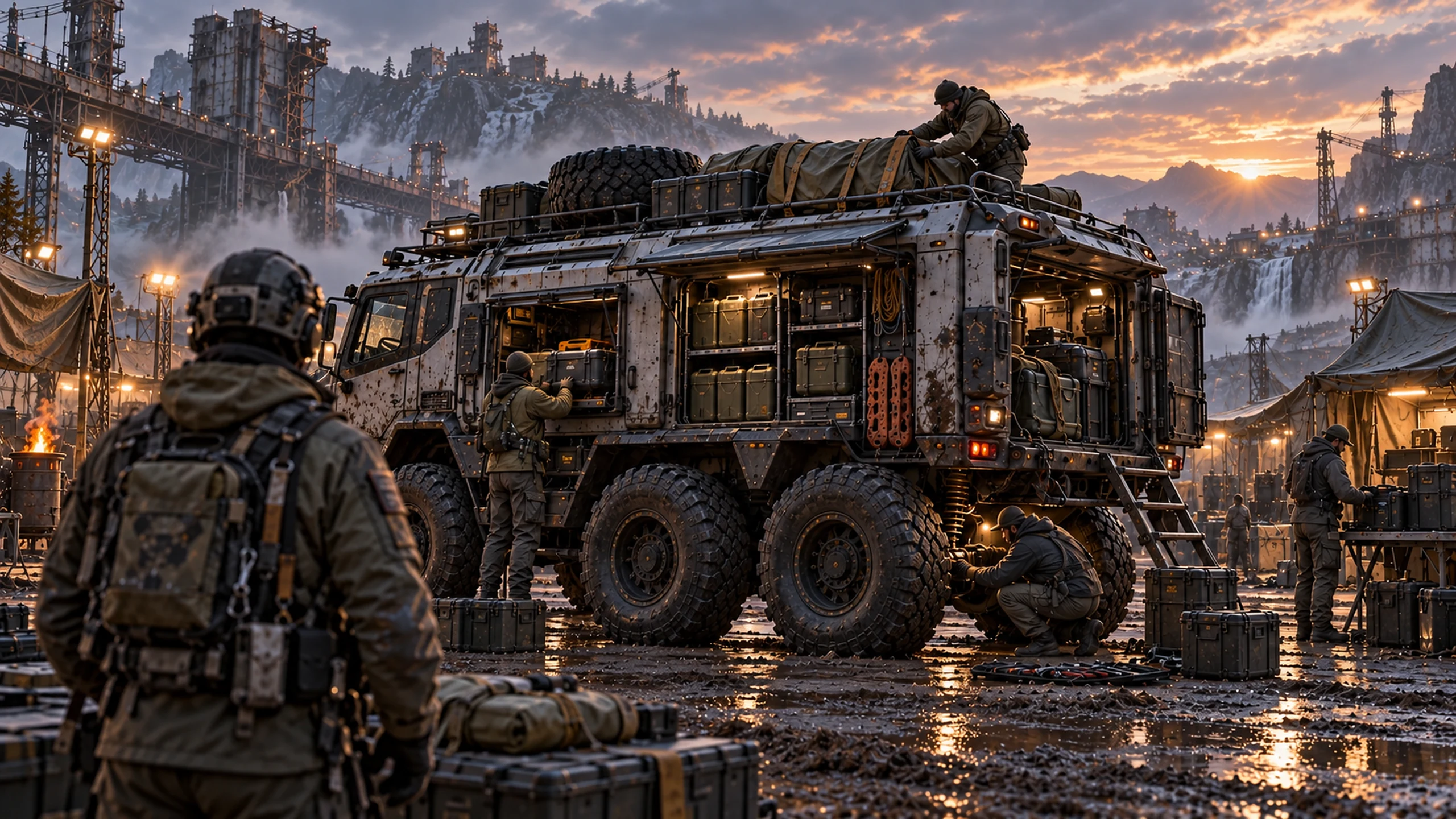
A crew loads supplies and checks a rugged vehicle before departure.
Cybertech scene illustration: A crew loads supplies and checks a rugged vehicle before departure.
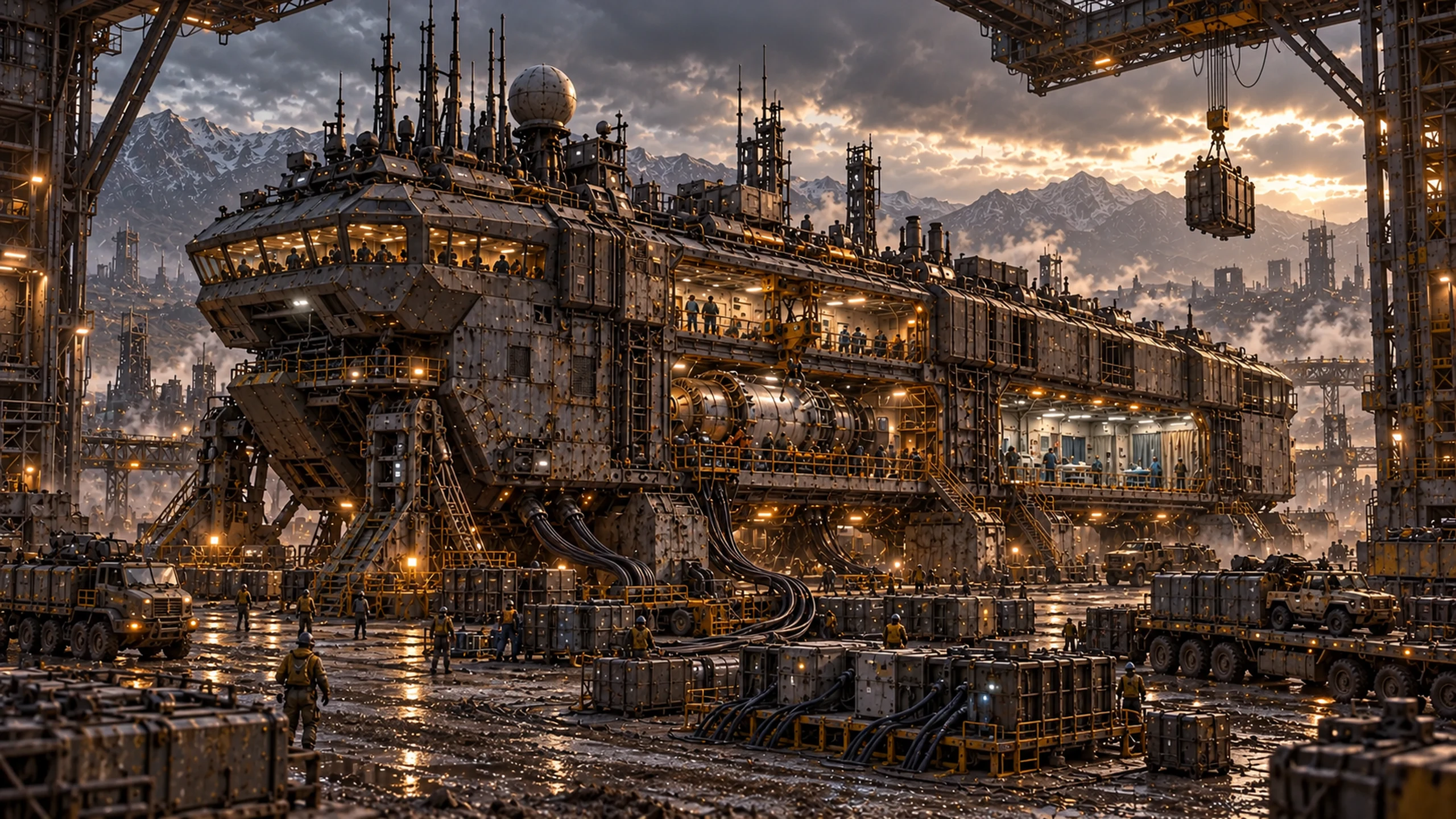
An expanded Command Carrier receives new modules in a vast service dock.

Continue in VISINVOKE

One character.
A world of possibilities.

Create a free VISINVOKE account. Review CYBERTECH access in your account and begin your own continuing science-fiction journey.

Create a free VISINVOKE account